
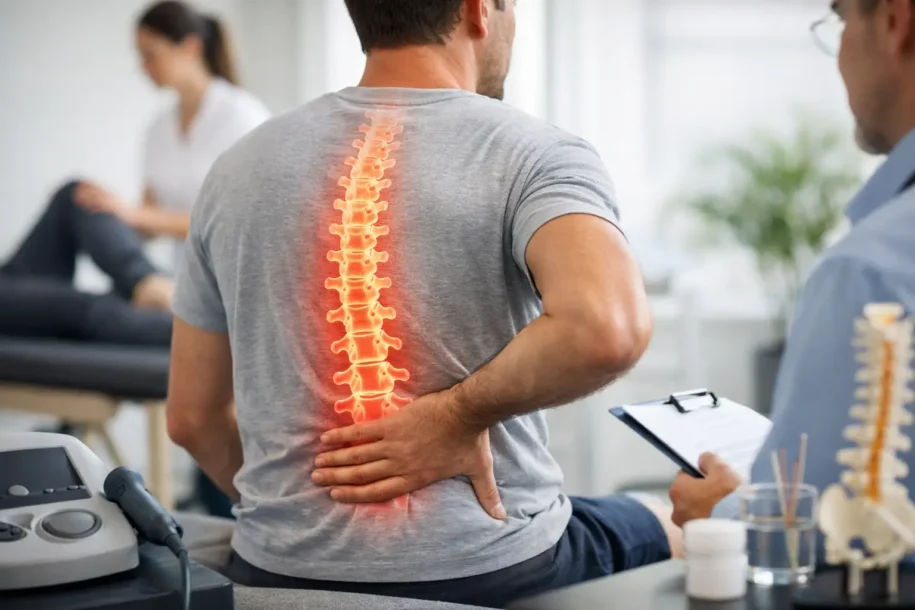
A sharp pain down the leg when you stand, a neck that stiffens after a day at the desk, or back pain that keeps returning when you try to exercise can make surgery feel like the only remaining option. In many cases, however, non-surgical treatment for spinal conditions can help reduce pain, restore movement and build confidence in everyday activities without an operation.
The right approach depends on what is driving the symptoms. A disc injury, sciatica, postural strain, scoliosis and persistent mechanical back pain may all feel similar at first, yet require different priorities in care. The aim should not simply be to quieten pain for a few days. It should be to understand how your spine is functioning, identify contributing movement patterns and create a realistic path back to doing more of what matters to you.
Why a thorough spinal assessment comes first
Spinal pain is rarely explained by one isolated event. You may remember lifting something awkwardly or waking with a stiff neck, but the underlying picture can include reduced joint movement, disc irritation, muscle guarding, prolonged sitting, old injuries or compensation through the hips and shoulders.
A detailed assessment helps distinguish between these possibilities. It should consider your symptoms, medical history, work demands, activity levels and goals, alongside spinal movement, posture, neurological signs and how you move through everyday tasks. For example, leg pain with tingling may suggest nerve irritation linked to a disc problem, while pain around the lower back and hip may be influenced by movement restriction and poor load transfer through the pelvis.
This matters because a treatment plan should fit the person, not merely the scan result or diagnostic label. Imaging can be useful in some situations, but changes on a scan do not always explain the amount of pain a person feels. Equally, a painful spine should never be dismissed as “just posture” without proper assessment.
Non-surgical treatment for spinal conditions: what it can involve
Non-surgical care is not one treatment delivered repeatedly regardless of progress. It is a structured process that may combine hands-on care, targeted rehabilitation, education and, for suitable cases, spinal decompression. The balance changes as symptoms settle and function improves.
Structural spine care and joint movement
Chiropractic care may be used to address restricted spinal movement, joint dysfunction and the mechanical factors contributing to pain. Gentle, specific adjustments and manual techniques can help improve movement and reduce the protective muscle tension that often develops around a painful area.
For someone with recurrent neck pain, this may involve examining the neck, upper back and shoulder mechanics rather than focusing solely on where it hurts. For lower back pain, the assessment may also include hip movement, pelvic control and how the body responds to bending, sitting or walking.
Hands-on treatment is not intended to be a stand-alone answer. It is most useful when it supports a wider plan to restore movement and help you tolerate normal activity again.
Spinal decompression for appropriate disc-related cases
Spinal decompression is a non-invasive treatment that uses controlled traction to gently unload the spine. It may be considered for certain people with disc injuries, sciatica or persistent lower back and neck pain where disc and nerve irritation are suspected.
By changing pressure through the spinal segments in a measured way, decompression may help reduce aggravation of sensitive structures and support a more comfortable range of movement. It is not suitable for everyone, and it is not a substitute for a full assessment. The clinical team should first establish whether it is appropriate for your symptoms, health history and presentation.
The trade-off is that decompression usually works best as part of a course of care, alongside movement guidance and rehabilitation. It is not a one-visit fix, particularly where symptoms have been present for months or years.
Rehabilitation that fits real life
When pain has limited your movement, the body often adapts. You may avoid bending, rely more heavily on one side, hold tension through your shoulders or stop exercising altogether. These changes can protect you in the short term, but they may also leave the spine less prepared for normal demands.
Rehabilitation gradually rebuilds tolerance. Depending on your needs, this may include mobility work, spinal control exercises, strengthening for the hips and upper back, and guidance on returning to walking, gym training or work tasks. The best exercises are not necessarily the most complicated. They are the ones you can perform correctly and consistently, then progress as your capacity improves.
For office-based professionals, this may mean practical changes to desk set-up, breaks and sitting habits alongside exercises. For active adults, it may involve adjusting training volume temporarily, improving technique and reintroducing loading in stages rather than stopping all activity indefinitely.
Education and sensible load management
Pain can be worrying, especially when it has lingered or flares without an obvious cause. Clear explanation is a valuable part of treatment. Understanding which movements are currently sensitive, what can be safely continued and how to pace activity can reduce fear and prevent the boom-and-bust cycle of doing too much on a good day then needing several days to recover.
Rest can be useful during a severe flare-up, but prolonged inactivity often leads to more stiffness, reduced confidence and deconditioning. In many cases, controlled movement is preferable to complete avoidance. The appropriate amount depends on the condition and the individual.
Conditions that may respond to non-surgical care
Many spinal conditions can be managed conservatively, particularly when symptoms are assessed early and a tailored plan is followed. Common examples include mechanical back pain, disc injuries, sciatica, neck pain, headaches linked to neck dysfunction, posture-related discomfort and some presentations of scoliosis.
Scoliosis management deserves particular care because the goals vary. For some adults, the priority is reducing pain, improving movement and managing muscular imbalance. For others, particularly where there is known curve progression or significant functional limitation, monitoring and co-ordination with other healthcare professionals may be required. Treatment should be based on the individual curve, symptoms and stage of life, not generic exercises alone.
Pain in the shoulder, hip or knee can also have a spinal or movement-related component. A stiff upper back may affect shoulder mechanics, while altered pelvic control can influence how the hips and knees load during walking or exercise. A connected assessment can help avoid treating each painful area as though it exists in isolation.
When conservative care needs urgent medical input
Most episodes of spinal pain are not medical emergencies, but some symptoms require urgent assessment. Seek immediate medical advice if back or neck pain is accompanied by new loss of bladder or bowel control, numbness around the saddle area, rapidly worsening leg weakness, severe unrelenting pain following significant trauma, fever or unexplained weight loss.
You should also speak to a clinician promptly if symptoms are progressively worsening, pain is severe at night, or you have a history of cancer, serious infection, osteoporosis or recent significant injury. Non-surgical care is most effective when it is used appropriately, with clear referral for further investigation whenever needed.
What progress should look like
Recovery is not always a straight line. A long-standing problem may improve in stages: first less intense pain, then better sleep or easier walking, followed by improved strength and a return to activities that previously caused a flare-up. Some people notice meaningful changes quickly; others need longer to improve because of symptom duration, work demands, stress, fitness levels or the complexity of the condition.
A good plan includes regular review. If you are not progressing as expected, the approach should be reconsidered rather than simply repeated. This may mean changing rehabilitation, reducing or increasing activity differently, arranging further investigation or referring you to another appropriate healthcare professional.
At Reliable Spine, care begins with understanding the full picture of your spinal health and what you want to return to, whether that is sleeping comfortably, working without constant discomfort, playing with your children or getting back to training. A carefully assessed, personalised non-surgical plan can give your spine the support and direction it needs to move forward with greater confidence.
Leave a Reply