
At Reliable Spine, we specialise in the non-surgical management of scoliosis. Our chiropractors are registered with the General Chiropractic Council (GCC) and have advanced training in scoliosis management, bracing and scoliosis-specific exercise.
What is scoliosis?
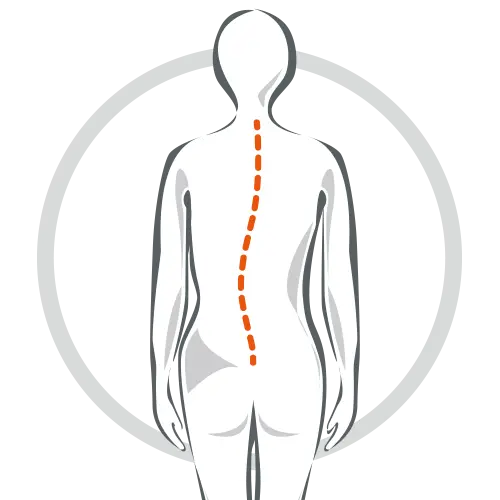
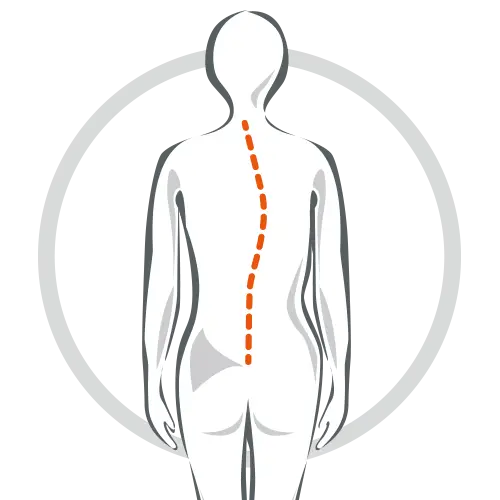
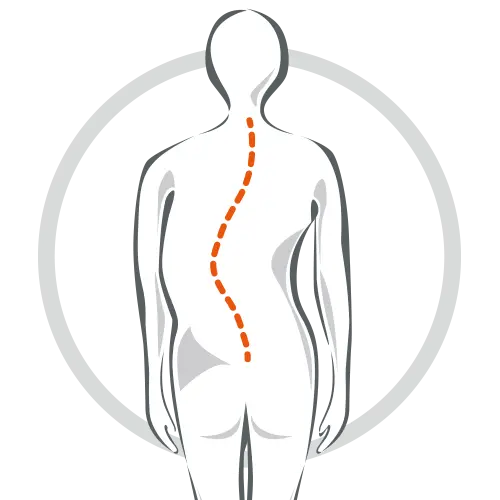
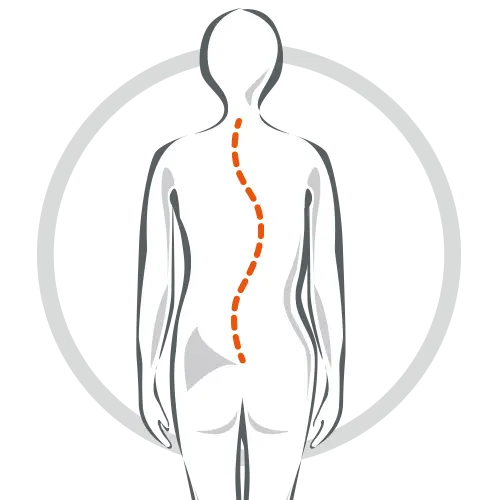
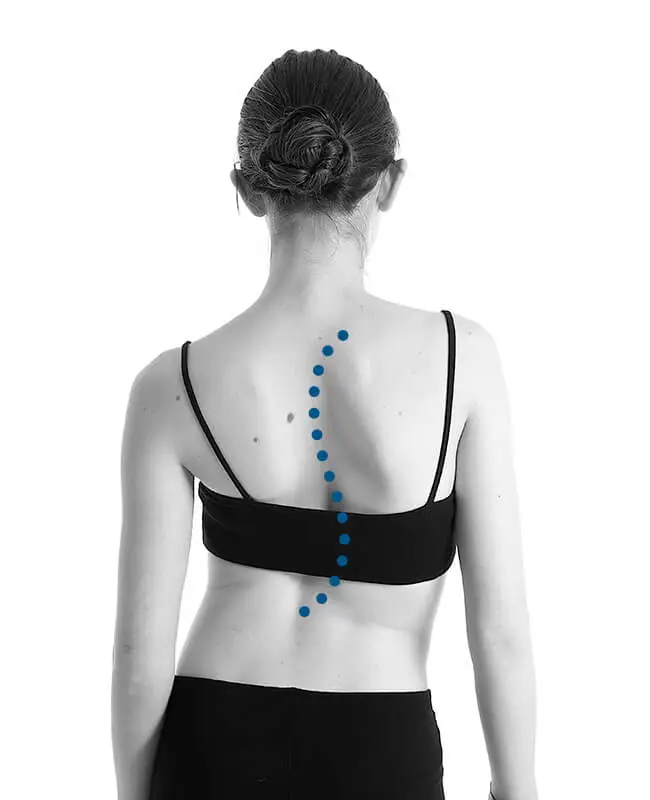
Scoliosis is a three-dimensional curve and twist of the spine. Signs include uneven shoulders, a prominent shoulder blade, a rib hump when bending forward and an uneven waist.
It can progress over time, so early assessment matters. Around 3 to 5% of children under 16 are affected, rising to about 9% of over-40s and over 30% of over-60s.
How we help
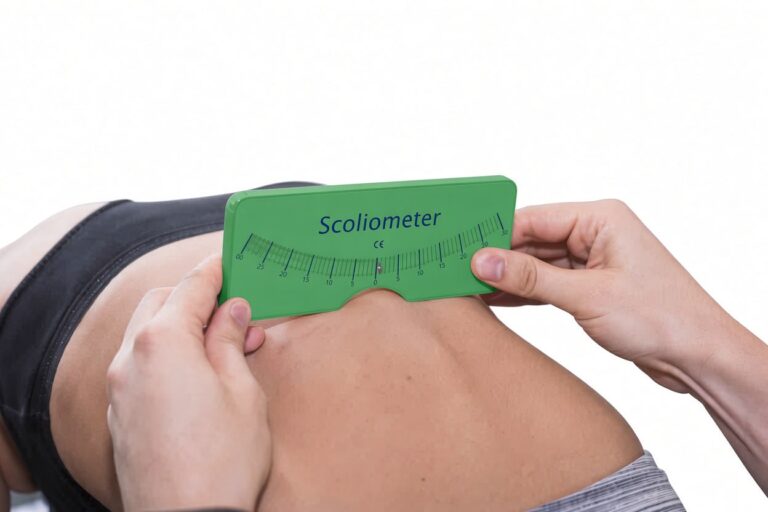
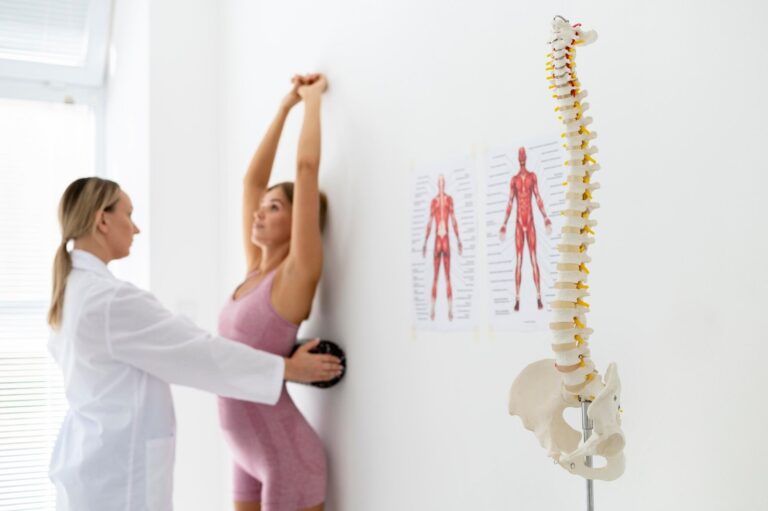
Every case is assessed individually, including a scoliometer check of spinal rotation and X-rays where clinically indicated. We then recommend scoliosis-specific exercise, bracing, or both, and review your progress regularly.
Scoliosis bracing options
SpineCor dynamic brace
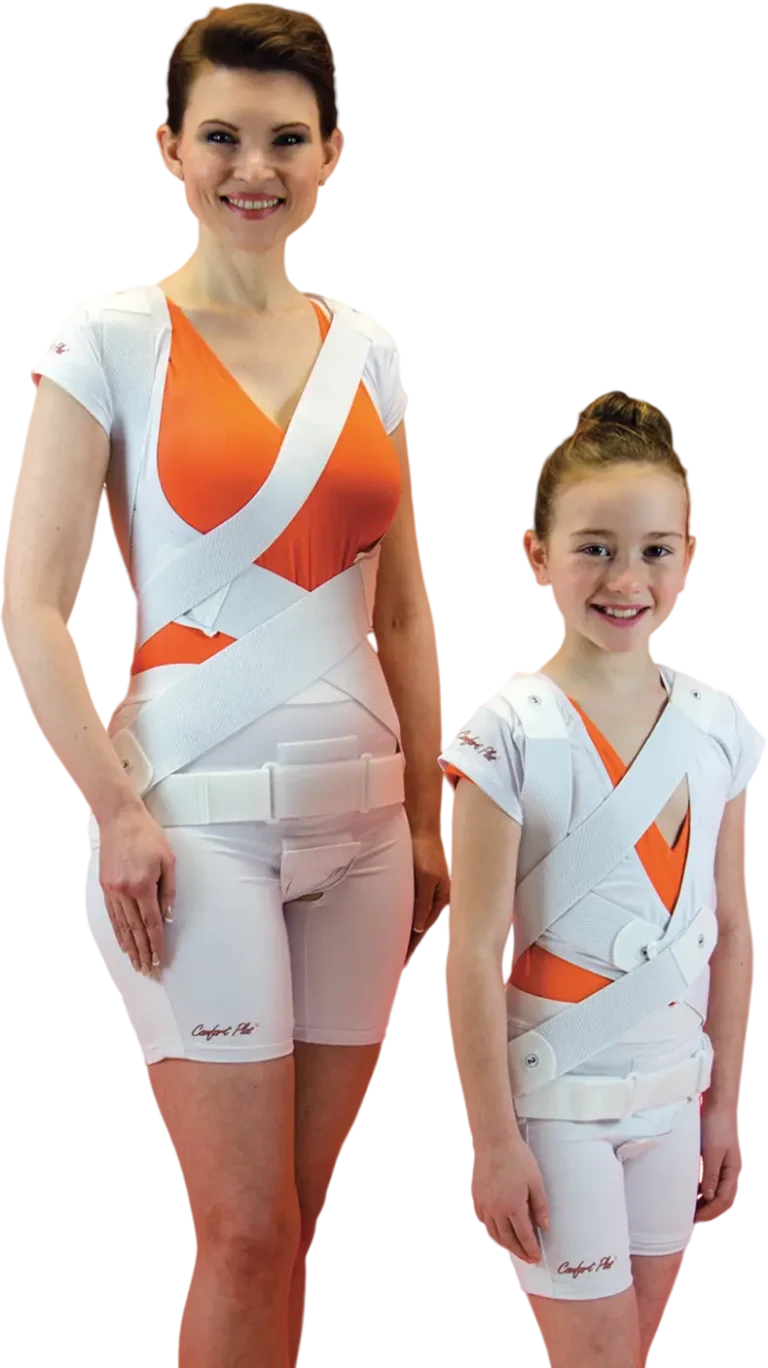
A flexible, customised brace for children and adults. Corrective bands guide the spine while you keep moving. Worn under clothing, it allows normal daily life and sport.
- Children
- From 5 years, idiopathic curves of about 20 to 40 degrees. Aims to slow or stop progression during growth. Usually worn 20 hours a day.
- Adults
- Idiopathic or degenerative curves above 20 degrees, or hyperkyphosis above 60 degrees. May help reduce scoliosis-related pain.

CMP brace (Corrective Movement Principle)
A rigid, asymmetrical brace that holds the spine in an over-corrected position for a focused correction.
- Who it is for
- Usually growing children with curves from about 25 degrees.
- Wear
- About 20 hours a day, with up to 4 hours off for sport, dance and exercises.
- Aims
- Prevent or slow progression, give support and, in some cases, correct the curve.
TechnoSpine TLSO brace
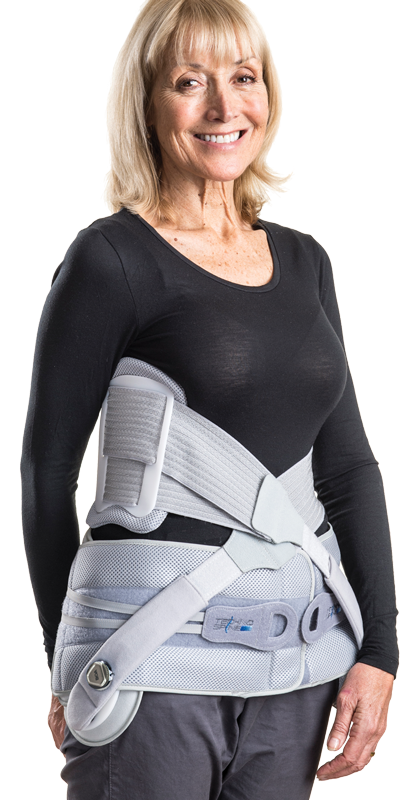
An adjustable brace for adults, designed to reduce postural imbalance and scoliosis-related pain. It allows forward bending and is easy to adjust and remove yourself.
- Who it is for
- Adults with adolescent scoliosis continuing into adulthood, or adult-onset (de novo) scoliosis, especially with pain, worsening posture or reducing mobility.
- Aims
- Reduce pain, improve posture and mobility, and reduce progression.
Scoliosis-specific exercise (SEAS)
The Scientific Exercise Approach to Scoliosis (SEAS) is a research-based programme tailored to your curve type. It combines active, isometric and reflexive exercises and aims to slow or halt progression in certain types of scoliosis. We add targeted strengthening and stretching, on their own or alongside a brace.
Where we provide scoliosis care
Scoliosis care is led by Dr Morris Kahere at our Thornliebank clinic in Glasgow (book online). Dr Morris also sees scoliosis patients at our Shepherd’s Bush clinic in London: please contact the London clinic to arrange an appointment.